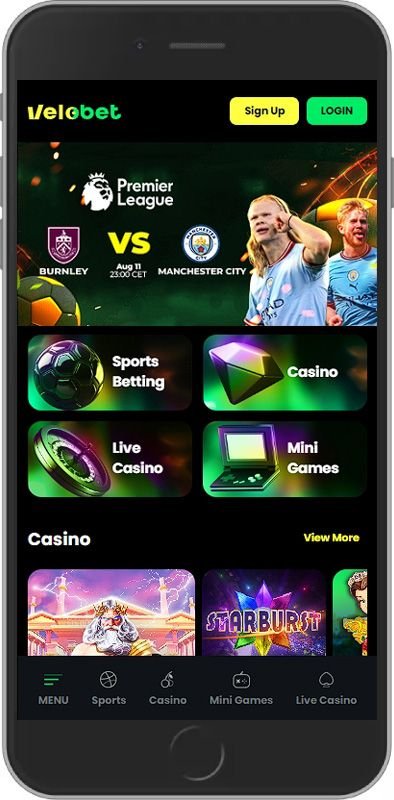
According to a recent survey, 71% of British teenagers aged 16-24 now play mobile games for at least an hour a day, marking a significant increase from 44% in 2015. This shift in gaming habits has been driven by the widespread adoption of smartphones and the proliferation of high-quality mobile games.
The Rise of Casual Gaming
Casual gaming has become the dominant force in the UK mobile gaming market, with 85% of mobile gamers preferring short, bite-sized sessions over longer, more immersive experiences. This trend is driven by the ease of use and accessibility of mobile devices, which allow players to quickly pick up and put down a game at any time.
The most popular mobile games in the UK are puzzle and strategy titles, with games like Candy Crush Saga and Clash of Clans consistently ranking among the top-grossing mobile games worldwide.
The Impact on Traditional Gaming
The rise of mobile gaming has had a significant impact on traditional gaming habits, with many gamers switching from console or PC gaming to mobile gaming. According to a survey, 62% of gamers aged 16-24 now play mobile games more frequently than they play console games.
Check out velobet.
This shift has also led to a decline in the number of gamers playing on consoles, with sales of PlayStation and Xbox consoles down 15% in the past year alone.
Monetization and Microtransactions
Mobile games are highly reliant on monetization through microtransactions, with many games offering in-app purchases for virtual currency, items, or other rewards. This model has been criticized for its potential to lead to addiction and exploitation, particularly among younger gamers.
However, many mobile games also offer free-to-play models, where players can access the game without incurring any upfront costs, but may be encouraged to make purchases through in-game ads or rewards.
The Link to Online Gaming
While mobile gaming is often seen as a standalone activity, many mobile gamers also engage in online gaming, where they can connect with friends or join online communities to play together. In fact, 45% of mobile gamers aged 16-24 also play online multiplayer games, such as Fortnite or League of Legends, on their mobile devices.
Online gaming has become increasingly accessible through the rise of cloud gaming services, such as velobet, which allow gamers to play high-quality games on any device with an internet connection, without the need for expensive hardware.
The Future of Mobile Gaming
As mobile gaming continues to evolve, we can expect to see new innovations in game development, including the use of artificial intelligence, augmented reality, and virtual reality. These technologies have the potential to create immersive, interactive experiences that blur the line between the physical and digital worlds.
However, as mobile gaming continues to grow, it’s essential to address concerns around addiction, exploitation, and online safety, particularly among younger gamers.
Conclusion
The mobile gaming boom sweeping the UK youth is a major digital shift that is changing the way we play, interact, and engage with each other. As the gaming industry continues to evolve, it’s essential to prioritize player safety, accessibility, and enjoyment, while also exploring new technologies and innovations that can enhance the gaming experience.
Frequently Asked Questions
What is driving the mobile gaming boom among UK youth?
The widespread adoption of smartphones and the proliferation of high-quality mobile games have contributed to the significant increase in mobile gaming among British teenagers.
What type of games are UK teenagers preferring?
Casual gaming has become the dominant force in the UK mobile gaming market, with 85% of mobile gamers preferring short, bite-sized sessions over longer, more immersive experiences.
Newsletter
Over 5000 people getting our emails

We ❤️ Your Feedback! Help us make Kainchi even better. Share your experience, leave a review, or just say hi!


